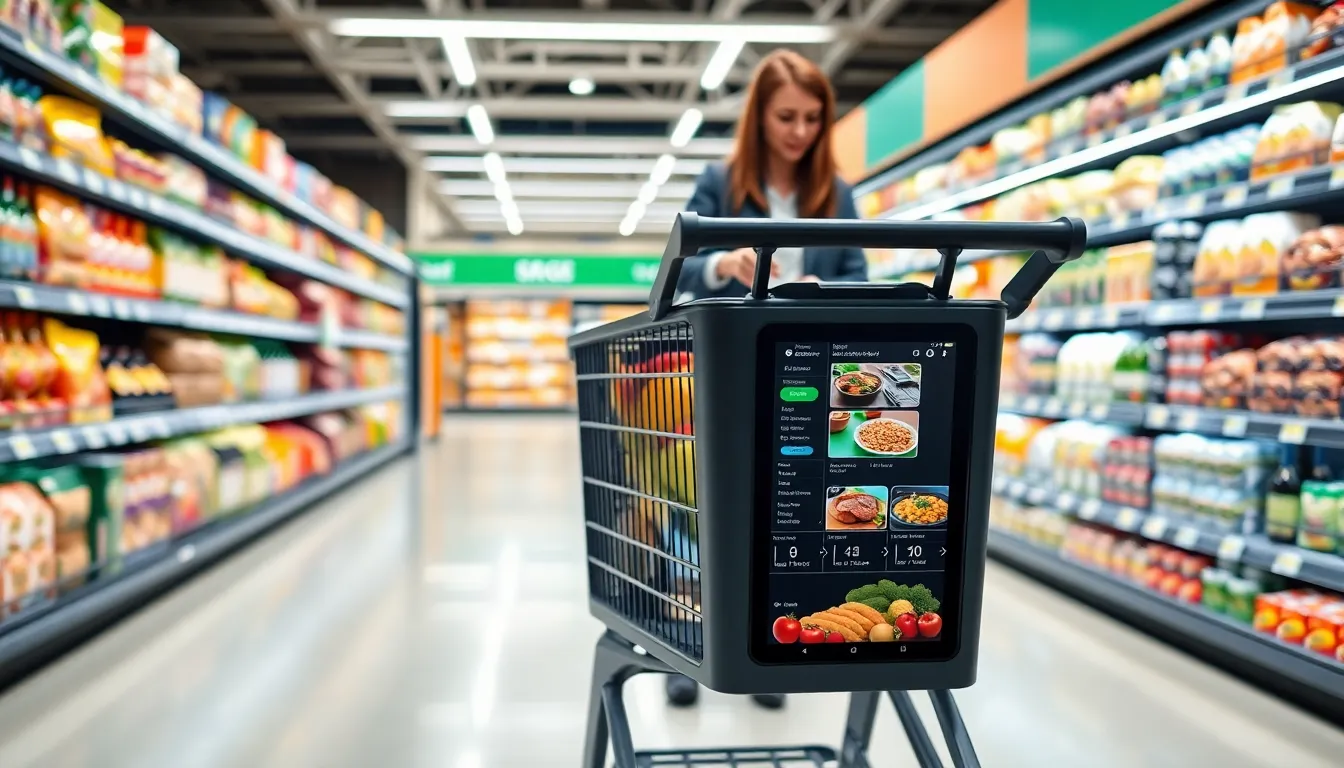
Imagine strolling through your local grocery store and finding out that your shopping cart could do chores for you, like track your spending, remember your previous trips, or even suggest recipes based on what you’ve put inside. Sounds like a sci-fi dream, doesn’t it? Well, welcome to the world of smart shopping carts. Transforming the mundane task of shopping, these high-tech carts are designed to make the retail experience not just easier but way more fun. Ready to hop on board this innovative journey? Let’s jump into the whirlwind of smart shopping carts.
Introduction to Smart Shopping Carts

As shopping technology evolves, smart shopping carts have taken center stage in revolutionizing retail. These aren’t your ordinary carts: they integrate advanced technology to enhance the shopping experience. Equipped with features like built-in scanners and touch screens, smart shopping carts offer a glimpse into the future of shopping. They not only help in carrying groceries but also serve as personal shopping assistants. Let’s investigate deeper into what makes these carts stand out.
Key Features of Smart Shopping Carts
Smart shopping carts come packed with a variety of features. Here’s what you can expect:
- Built-in Scanning Technology: Shoppers can scan items as they go, eliminating the need to wait in long checkout lines.
- Touchscreen Interface: A user-friendly touchscreen allows customers to view prices, nutritional information, and even personalized shopping lists.
- Real-time Inventory Updates: These carts can connect to the store’s inventory system, alerting shoppers if an item is out of stock.
- Navigation Assistance: Some carts use GPS technology to guide shoppers to the aisles where specific products are located, saving time and effort.
- Payment Integration: Shoppers can check out directly through the cart, making the payment process smoother and faster.
With such innovative features, it’s no wonder that smart shopping carts are gaining popularity in retail.
How Smart Shopping Carts Enhance Customer Experience
The introduction of smart shopping carts significantly elevates the customer experience in several ways:
- Time-saving: By allowing customers to scan items on-the-go and check out directly from the cart, shopping becomes more efficient.
- Personalized Recommendations: Utilizing AI, these carts can analyze previous purchases, offering tailored suggestions that could enhance meal planning or encourage trying something new.
- Interactive Engagement: Touchscreen functionalities make shopping more engaging. Customers can explore recipes or nutritional information as they shop, making it easier to make informed choices.
- Reduced Frustration: With real-time stock updates, customers are less likely to encounter disappointment when their desired items are unavailable. Overall, smart carts foster a more enjoyable shopping atmosphere.
Technological Innovations Behind Smart Shopping Carts
What powers these amazing smart shopping carts? Let’s take a closer look at the technology behind them:
- IoT and Connectivity: Smart carts use Internet of Things (IoT) technology, enabling them to connect to the store’s systems for real-time updates.
- Artificial Intelligence: AI is fundamental in understanding customer preferences and delivering personalized experiences.
- Mobile Apps Integration: Many smart carts work in sync with mobile apps that allow users to create shopping lists or even share data with family members.
- Sensors and Cameras: These gadgets help in inventory tracking and user interactions, creating a seamless shopping experience.
Together, these technologies create a cohesive experience that elevates traditional shopping into a technological marvel.
Challenges and Considerations in Implementing Smart Shopping Carts
Even though their numerous advantages, implementing smart shopping carts isn’t without challenges:
- Cost: The initial investment for retailers can be significant. The equipment and technology required to launch smart carts represent a considerable expenditure.
- User Adaptation: Some customers may be resistant to adopting new technology, preferring traditional shopping methods.
- Maintenance and Training: Regular maintenance is necessary to keep the technology running smoothly. Also, staff must be trained to assist customers with the new systems.
- Data Privacy: As smart carts collect personal data, concerns about privacy and cybersecurity are particularly relevant, requiring robust measures to protect user information.
Future Trends in Smart Shopping Cart Technology
Looking ahead, we can anticipate exciting developments in the realm of smart shopping carts:
- Enhanced AI Capabilities: Future carts may use machine learning algorithms to become even smarter, providing insights based on shopping habits.
- Augmented Reality Features: Imagine being able to point your cart and see virtual product placements or alternative options through augmented reality.
- Sustainable Practices: With increasing awareness of environmental issues, future developments might incorporate features that promote eco-friendly products and practices.
- Integration with Smart Homes: We might soon see smart carts that integrate with home systems, allowing for seamless meal planning and grocery replenishment without stepping outside.